

 Language
 Clinical Specialties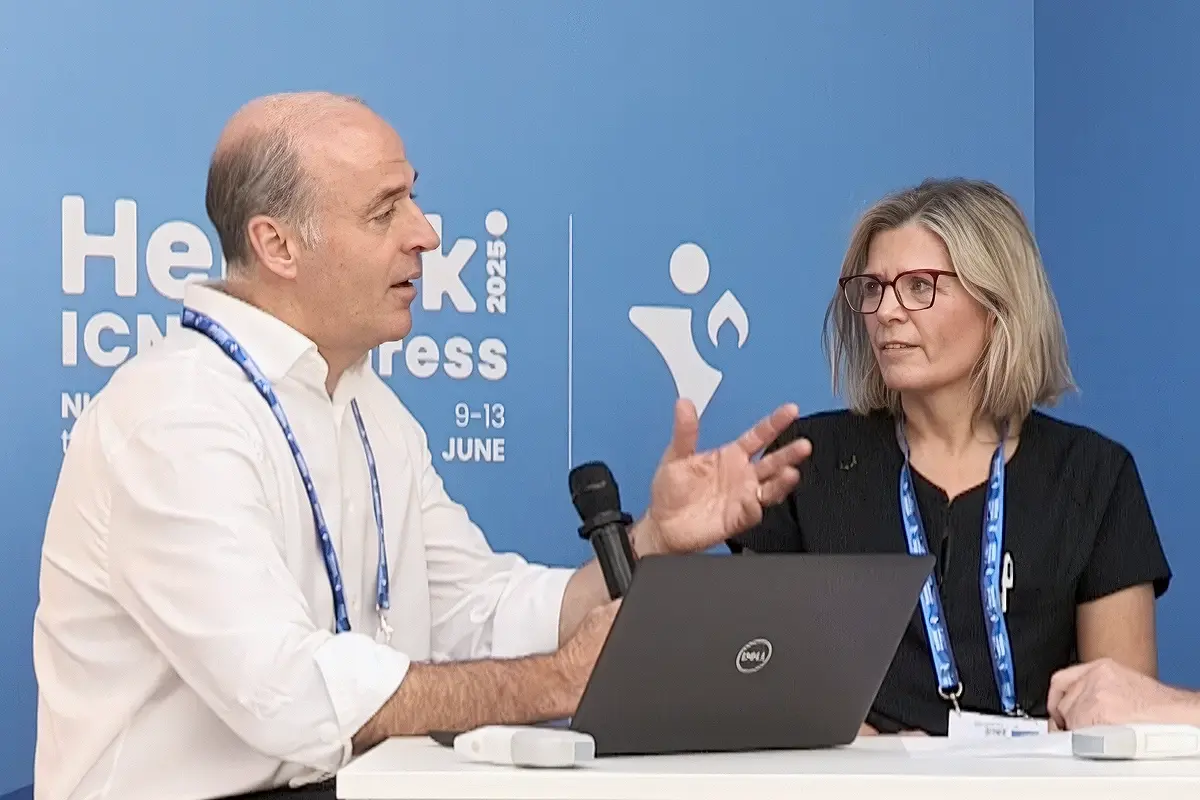
A closer look: Vscan Air with nurses, for nurses
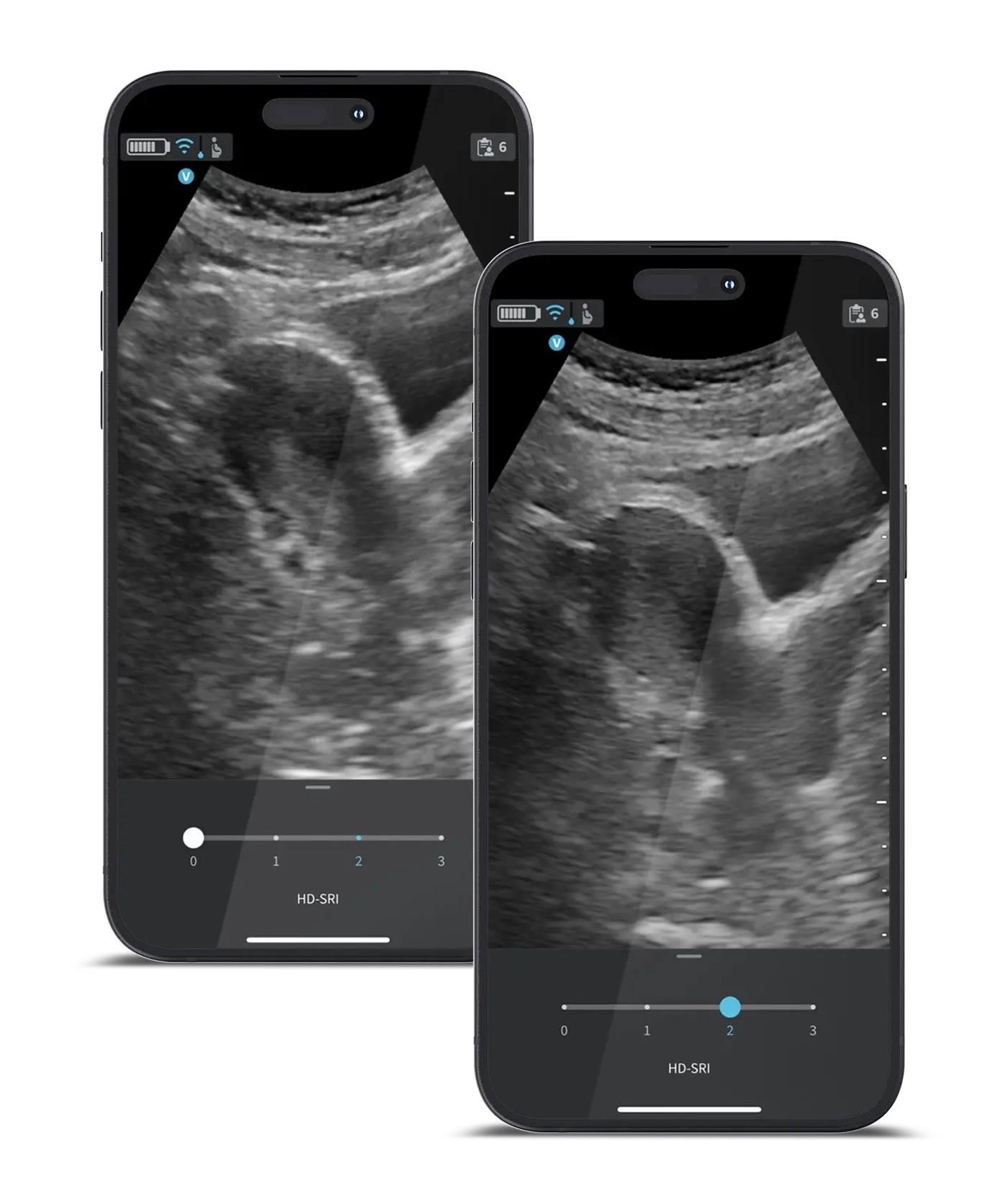
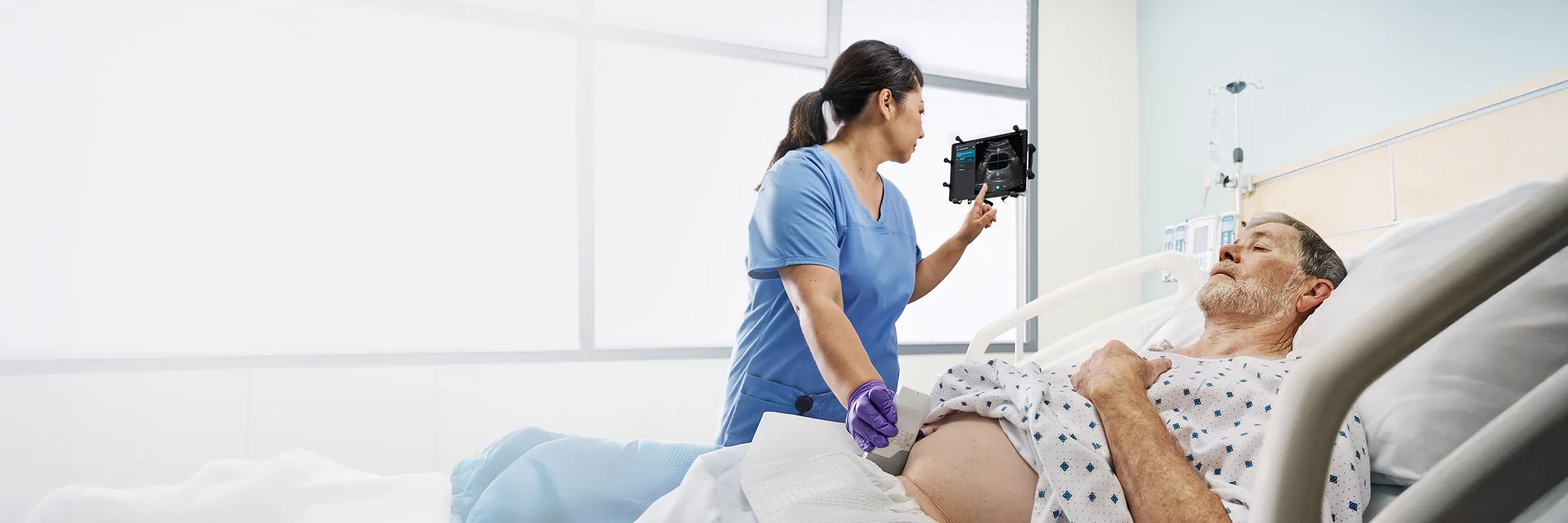
Among the standout contributions was GE HealthCare, who showcased their Vscan Air handheld ultrasound, a compact, portable and wireless imaging device with optional advanced features powered by Artificial Intelligence such as Caption AI™ (available on Vscan Air SL device, it is an AI-driven guidance software for conducting cardiac ultrasound, as well as providing important measures like AutoEF) and Auto Bladder Volume Measurement (available with the Vscan Air™ CL device). On the bustling congress floor, GE HealthCare hosted a live expert discussion with two Advanced Nurse Practitioners – Karen Kelly and Paul Stoneman – whose clinical expertise demonstrated the real-world impact of this compact device, alongside Jon Robinson, Handheld Ultrasound Commercial & Strategy Director, International.
A conversation from the frontlines of care
In the conversation, Jon Robinson welcomed both experts and invited them to reflect on their experience demonstrating Vscan Air handheld ultrasound to nurses from around the world. For Karen Kelly, who specializes in heart failure and works closely with marginalized communities, the value of point-of-care ultrasound (POCUS) is undeniable: “You can differentiate dyspnea, assess for pleural effusion, and quickly evaluate fluid status,” she explained. “Bladder scanning with AI-based auto-volume calculation takes just seconds – it’s fast, user-friendly, and adaptable.”
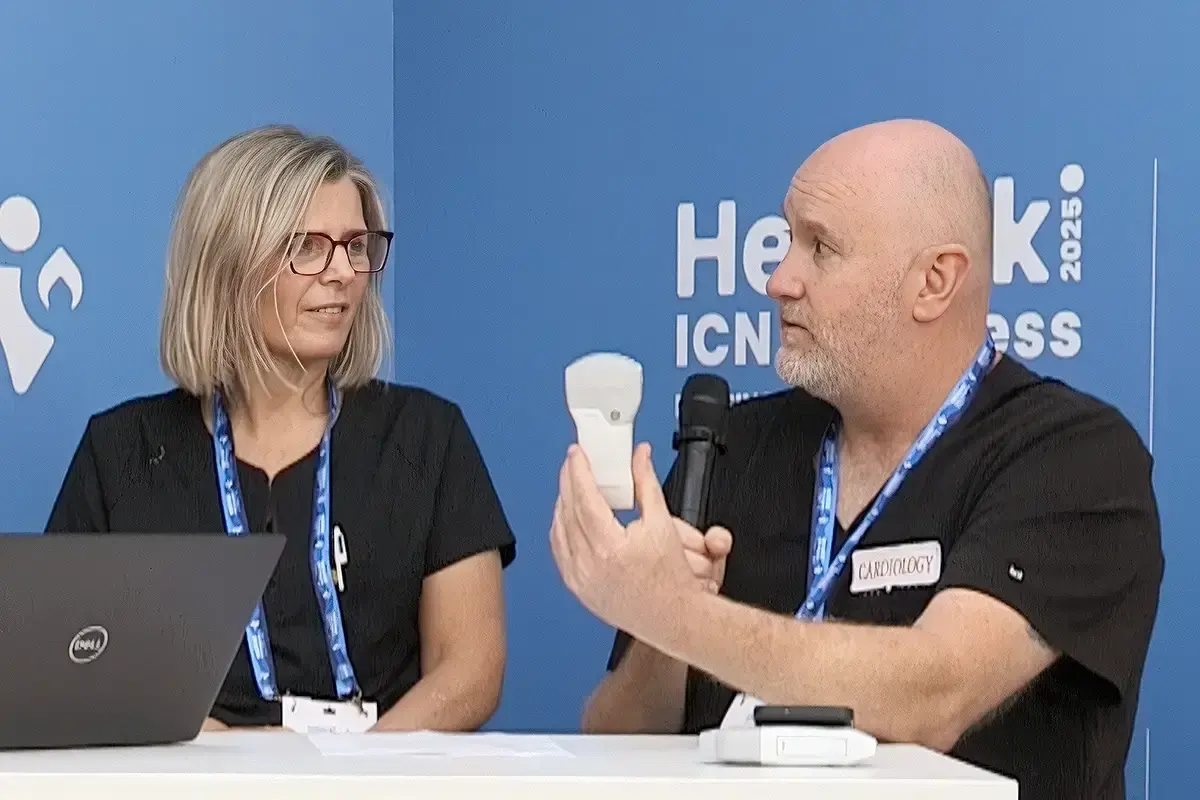
Paul Stoneman, who has specialized skills in cardiac ultrasound and works in the Emergency Department of a Dublin Hospital, emphasized the transformative power of putting Vscan into the hands of nurses: “We ran three workshops here, and the response was electric. The Vscan Air CL and SL probes – combined with Caption AI™ – give nurses the confidence and guidance to make fast, informed decisions. This can truly save lives.”
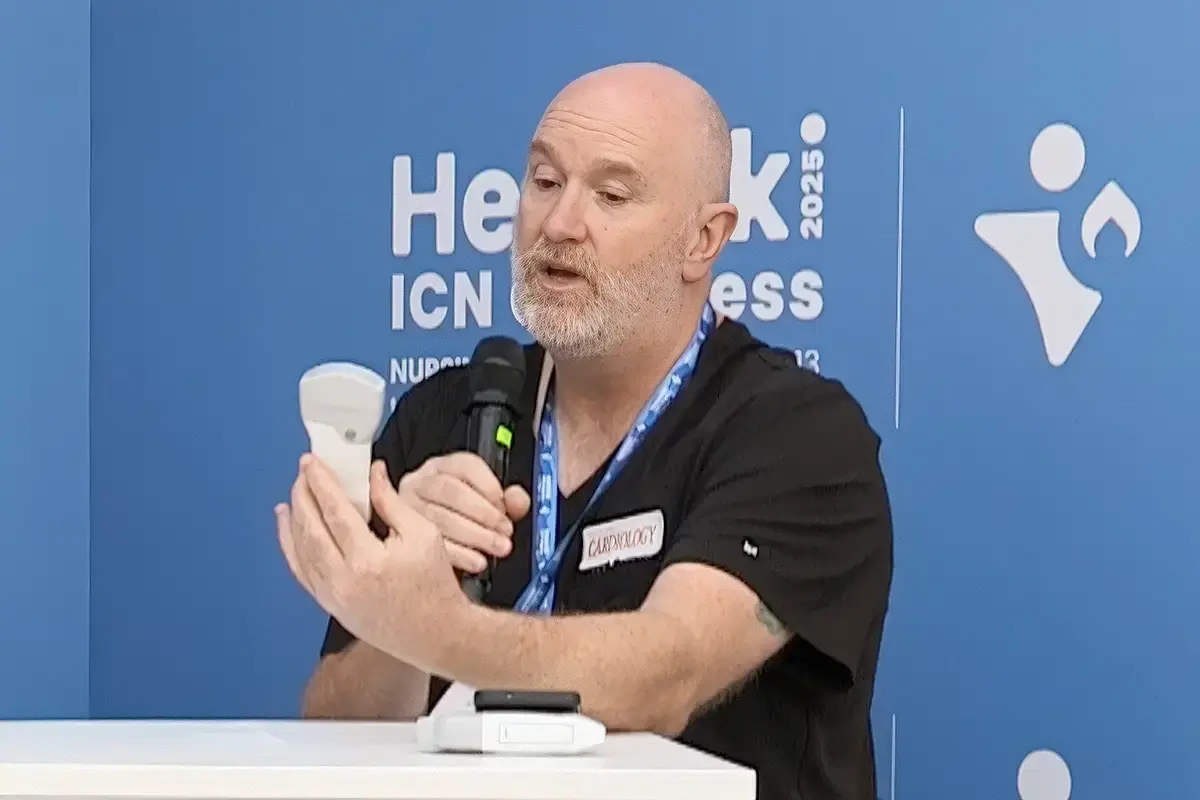
Paul described Caption AI™ as a built-in mentor, helping nurses with minimal ultrasound experience capture high-quality cardiac images – and then obtain an automated left ventricular ejection fraction (LVEF) – within minutes. These insights allow for better triage, faster interventions, and more targeted treatment strategies.
Watch the full discussion here:
Learning. Practicing. Growing.
One striking takeaway from the event was the rapid learning curve observed among participating nurses. As Karen put it: “Some attendees came back to the workshops multiple times. With each session, their confidence grew. By the third time, they didn’t need any guidance at all – they were independently capturing diagnostic-quality images.”
The technology's accessibility and portability were also major talking points. The Vscan Air connects via Bluetooth to smartphones or tablets, making it easy to carry, use, and share images – even in underserved or remote settings. As Paul pointed out:
“A nurse in Africa can perform a scan and send the image instantly to a cardiologist anywhere in the world. This isn’t just innovative – it’s equitable. It levels the field.”
Nursing practice is evolving
The broader discussion during the ICN Congress reflected a shift in nursing scopes of practice. ICN President Pam Cipriano herself emphasized the importance of redefining nursing roles and expanding access to diagnostic tools. Vscan Air handheld ultrasound, as shown in the expert panel, is a practical example of how that future is already taking shape.
“We’re not trying to turn every nurse into a sonographer,” Jon Robinson clarified, “but we can flatten the learning curve and equip nurses with focused, decision-relevant data right at the bedside.”
Whether it’s assessing fluid overload, identifying potential heart failure, or screening for urinary retention, Vscan Air empowers nurses to act faster, collaborate better, and escalate care when needed.
Vscan Air handheld ultrasound for nursing care: Simplicity meets impact
The Vscan Air handheld ultrasound system is more than a tool – it’s a clinical enabler for nurses across specialties. Designed to be intuitive and portable, it integrates AI-based guidance to help users acquire high-quality images, even with limited ultrasound training.
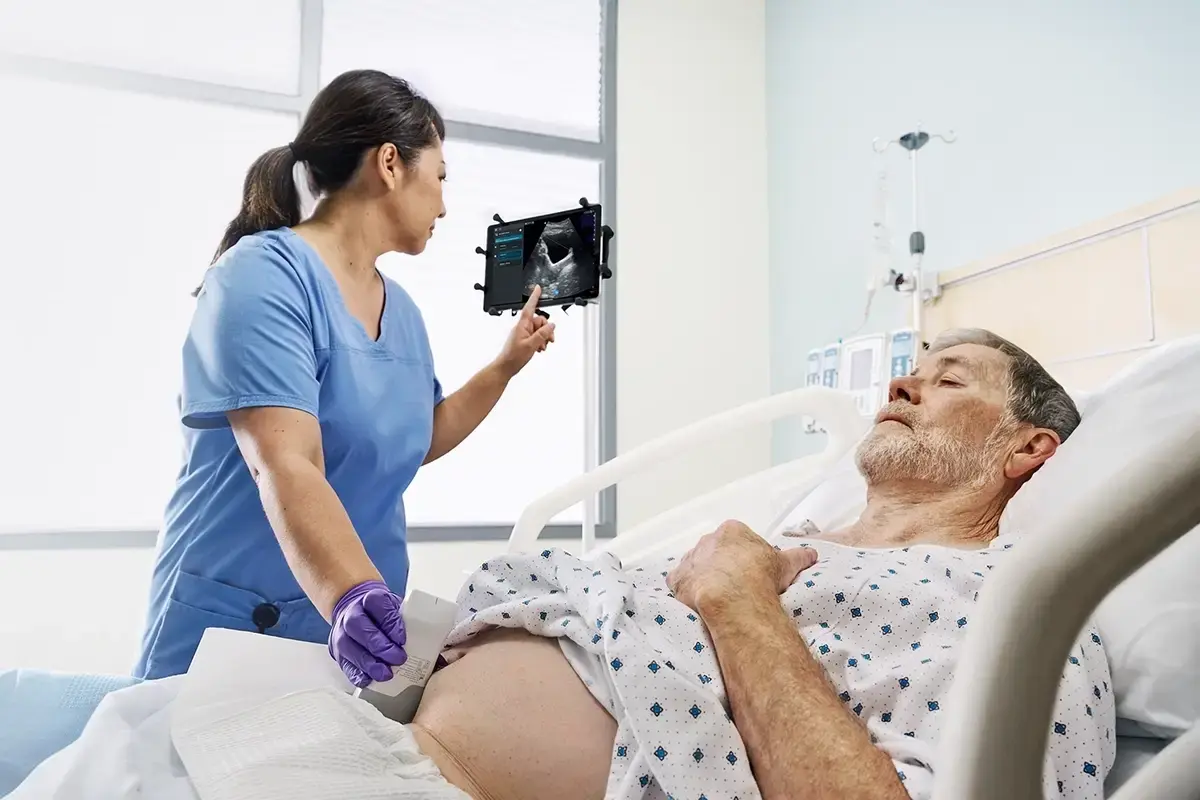
From heart failure clinics to emergency departments, and from rural outreach teams to urban hospitals, nurses are using Vscan Air to bring critical diagnostics closer to the patient – improving outcomes and strengthening clinical decision-making.
For more information on Vscan Air handheld ultrasound in nursing care, visit the dedicated nursing page or read the latest blog on AI-enabled bladder volume measurement.
JB08642XE
Other Topics

How handheld ultrasound can impact practice in Primary Care – featuring GE HealthCare's Vscan Air™ family with Vscan Air™ CL and Vscan Air™ SL
Lung Ultrasound: Recognizing Findings and Making Diagnoses
Mobile Ultrasound in Emergency Medical Services: Use, Benefits, and Selection
Ejection Fraction: Significance, Normal Values, and Measurement
Bladder Volume Measurement by Ultrasound: Methods, Formula, and Application

MSK Medicine: Musculoskeletal Ultrasound in Clinical Practice
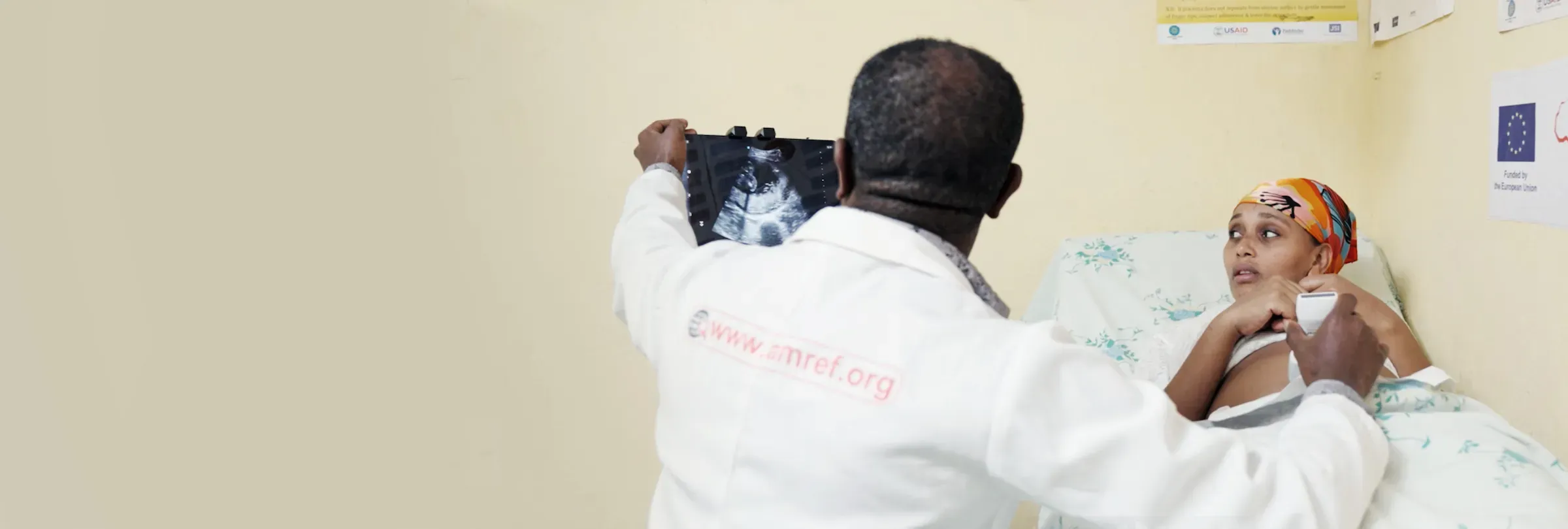
A better outlook for mothers in Ethiopia: How Vscan Air™ is transforming maternal care in remote regions

The benefits of handheld ultrasound with AI-based Auto Bladder Volume measurement in everyday clinical practice

Experiences with handheld ultrasound in obstetrics

Vscan Air™ CL ultrasound combined with Usono ProbeFix Dynamic: Observation of muscle activity in real-time



 Belgium
  Brasil
  Bulgaria
  Croatia
  Czechia
  Denmark
  Deutschland
  España
  Estonia
  Finland
  France
  Greece
  Hungary
  Ireland
  Italia
  Latvia
  Lithuania
  Luxembourg
  Malaysia
  Netherlands
  Norway
  Österreich
  Poland
  Portugal
  Romania
  Slovakia
  Slovenia
  Sweden
  Schweiz
  UK
UK