Vscan Handheld Ultrasound

CHOOSE YOUR LOCATION

It looks like you are located in: United States.

You are visiting the vscan.rocks website for Europe.
To see content for your specific location, choose the relevant region below.


Go to United States Continue
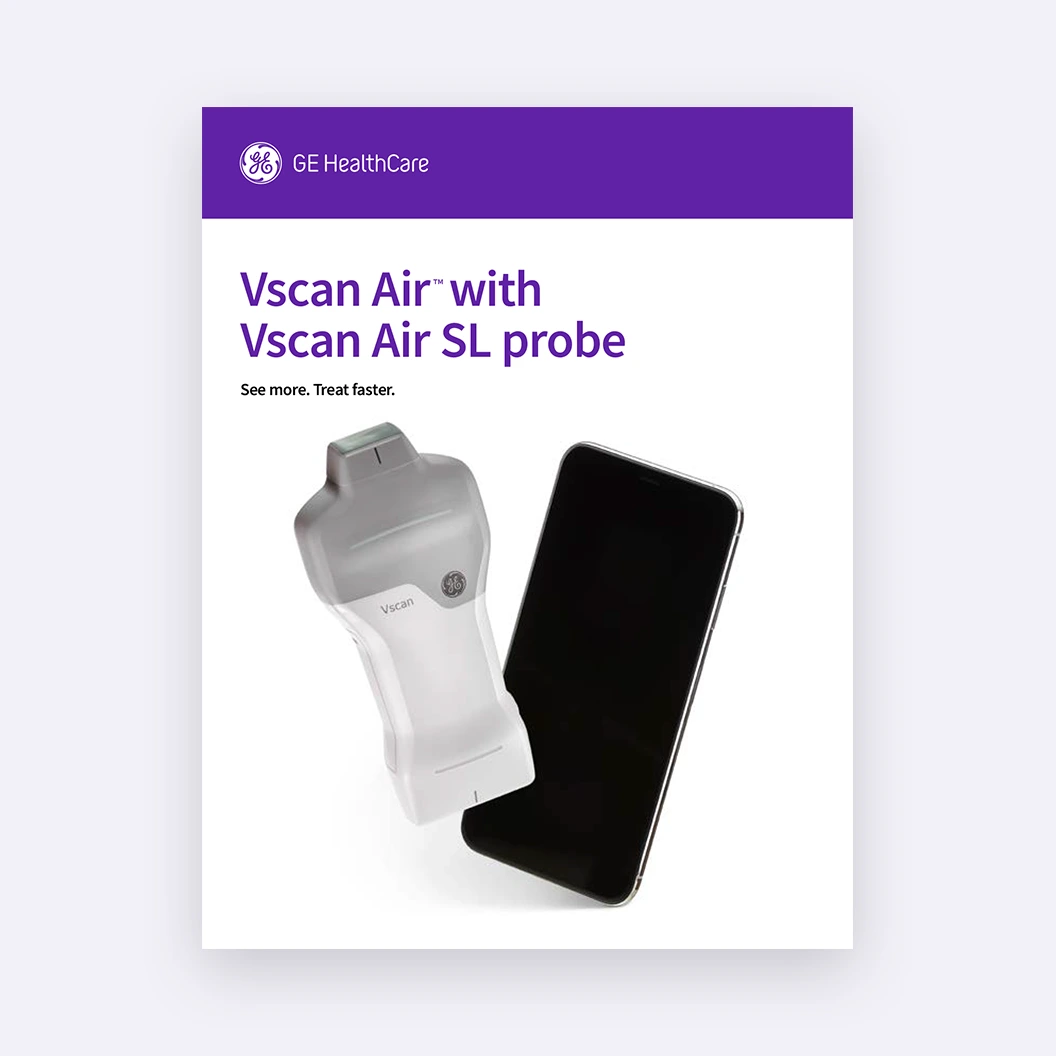
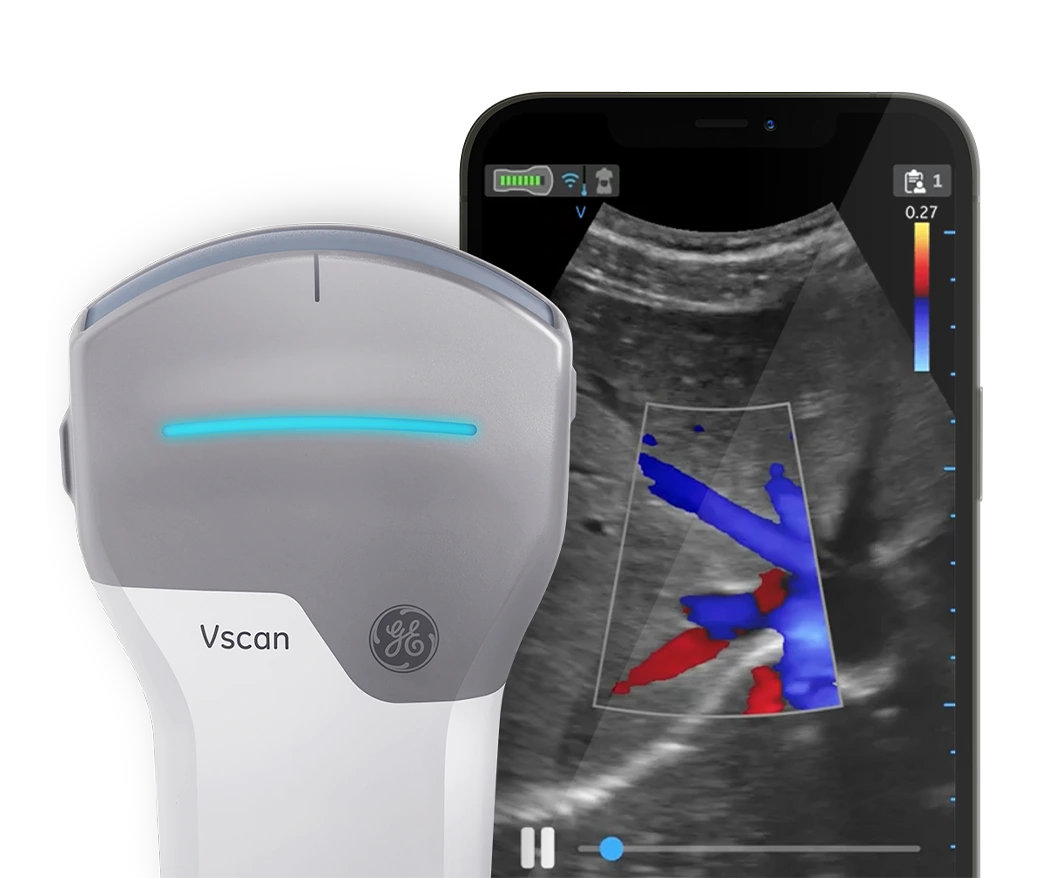
Enhance patient care with immediate information: The wireless handheld ultrasound device Vscan Air enables you to quickly rule in or out a variety of conditions in both pediatric and adult patients.
Clinical perspectives

How Vscan Air can impact your practice

Dr altersberger
quotation mark

It should be used as early as possible to detect severe pathology. We want to find patients with relevant pathology, young or elderly, where we can make a difference and have an impact with early diagnosing and then with early treatment.

Dr. Martin Altersberger
Cardiologist
Steyr, Austria
Watch now
Dr salloum
quotation mark

It's an amazing machine because it's wireless, and it's not heavy. The quality of the image is really amazing... I cannot imagine the future without this handheld ultrasound.

Mirna Salloum, M.D.
General Practice & Emergency Medicine
Paris, France
Watch now
Dr schellhaas
quotation mark

I think the patients really like it when I come to their homes and I have an ultrasound device. They're very happy that they don't have to come to me and my practice or have to go to hospital for the diagnosis.

Sebastian Schellhaas, M.D.
General Practice & Sports Medicine
Groß-Biberau, Germany
Watch now
Dr pellet
quotation mark

The Vscan Air image quality was very nice. It was interesting for me too, because I had the pictures from the radiologists so I can try to compare it. I was very comfortable comparing the images with this device. It was very, very nice.

Dr. Diana Pellet
General Practice Physician
Les Vans, France
Watch now
Prof dietrich
quotation mark

At the point of care, we need to have simple answers for simple questions. This might be a yes/no response. Is there ascites? Is there pleural effusion? Is the bile duct dilated? Yes or no? Or, a measurement of a certain structure. After answering these questions, treatment can be initiated.

Prof. Christoph Dietrich
Chief Physician of Internal Medicine
Caritas Hospital Hirslanden
Watch now
Ultrasound exams

Vscan Air – optimized for common primary care exams

Gallbladder, biliary tree, common bile duct
Gallstones, gallbladder inflammation (wall thickening, surrounding fluid), biliary obstruction (duct dilation)
Cardiac and hemodynamic assessment
Pericardial fluid, left ventricle and right ventricle size and function, valvular regurgitation/stenosis
Kidneys
Hydronephrosis, kidney length and kidney stones
Abdominal aorta
Abdominal aortic aneurysm
Urinary bladder
Ureteral jets with color, mass/cysts, pre-post bladder volume
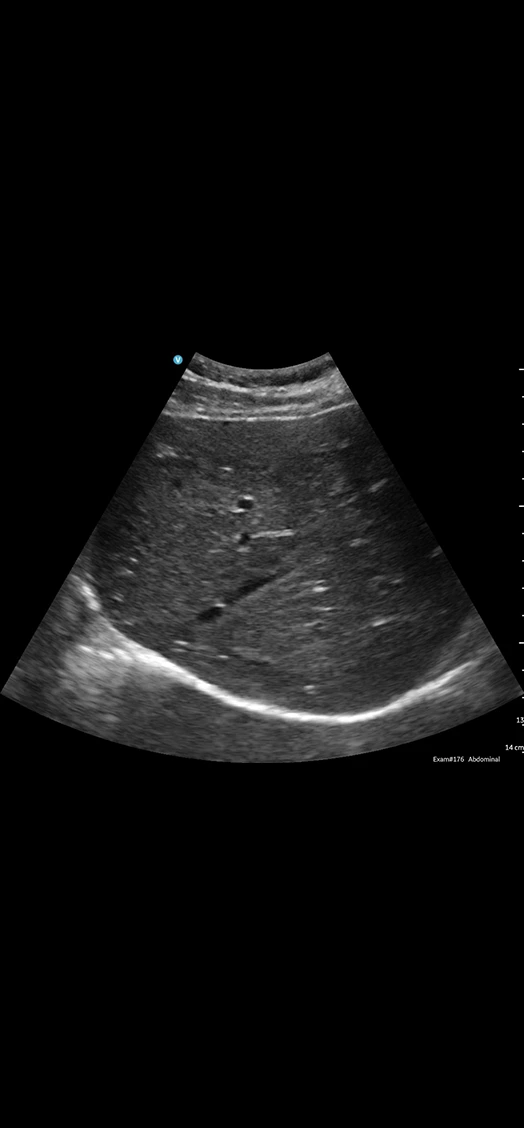
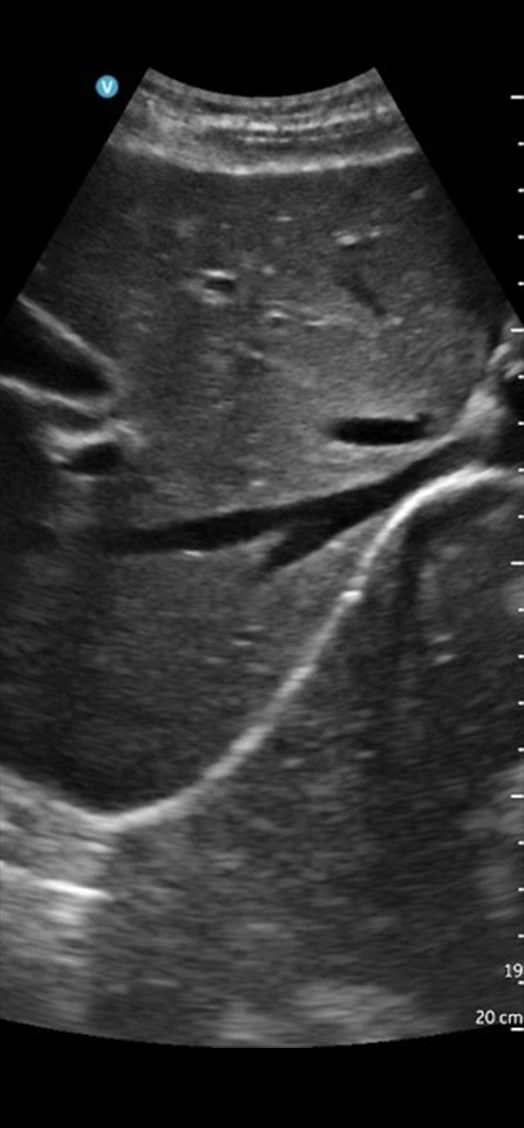
Liver
Hepatomegaly, fatty liver
Musculoskeletal
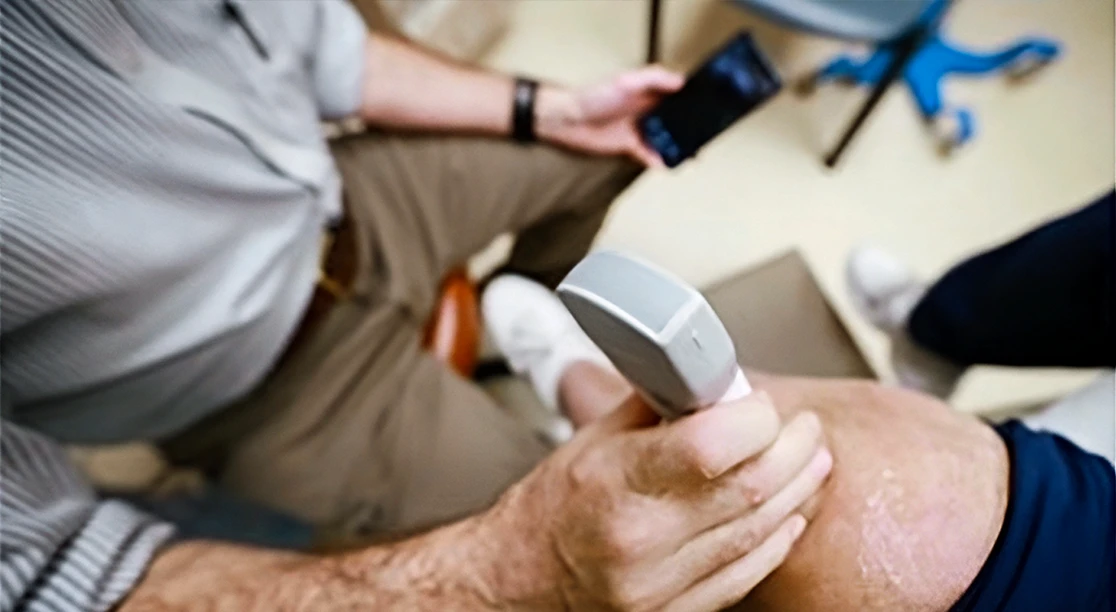
Tendon injuries (tendonitis, rupture/tear), muscle tears, fluid collection in joint space, muscles, bursae
Procedural guidance
Peripheral venous access, joint aspiration and injections, cyst aspiration, biopsy, abscess drainage, foreign body visualization/localization.
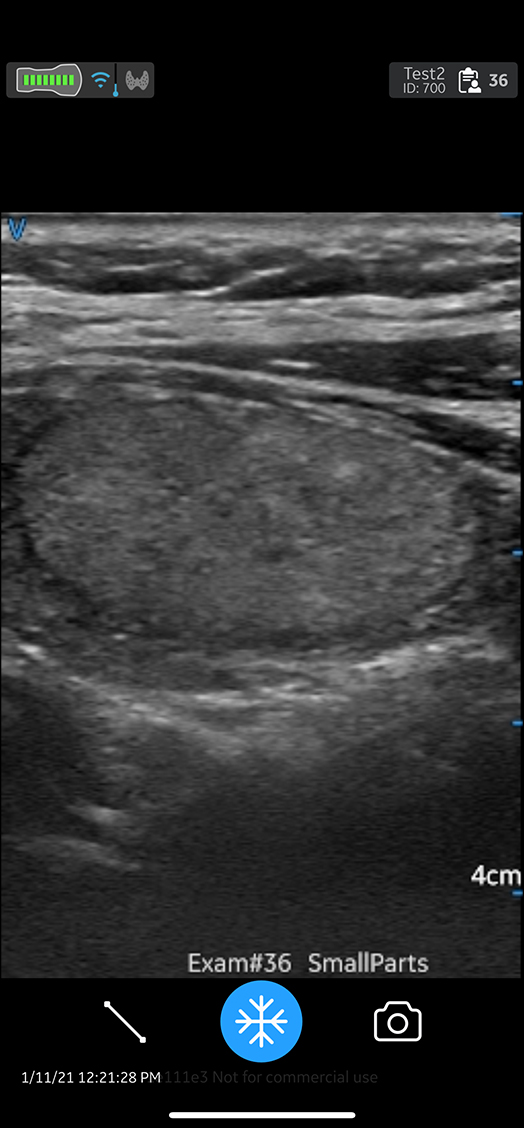
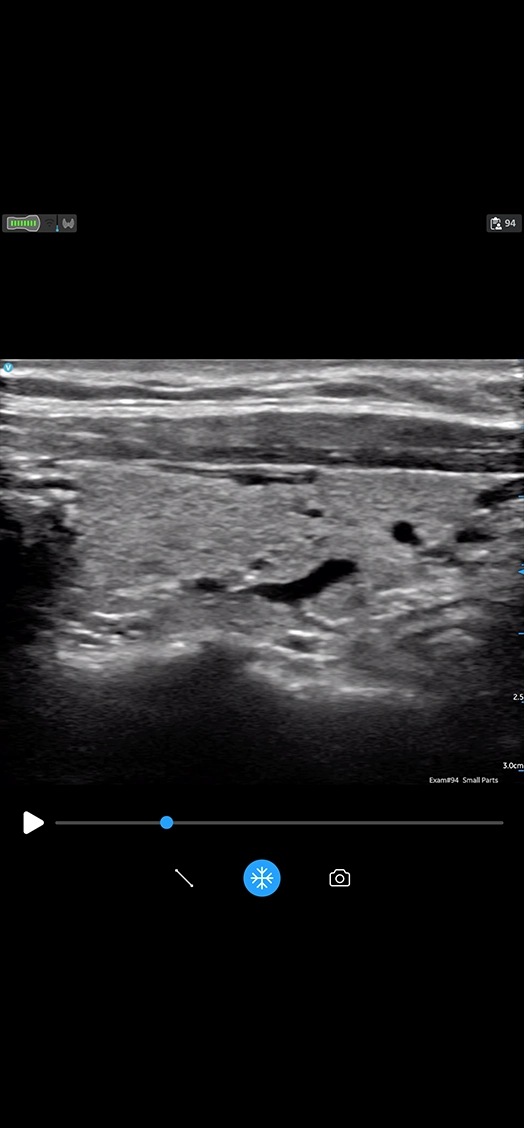
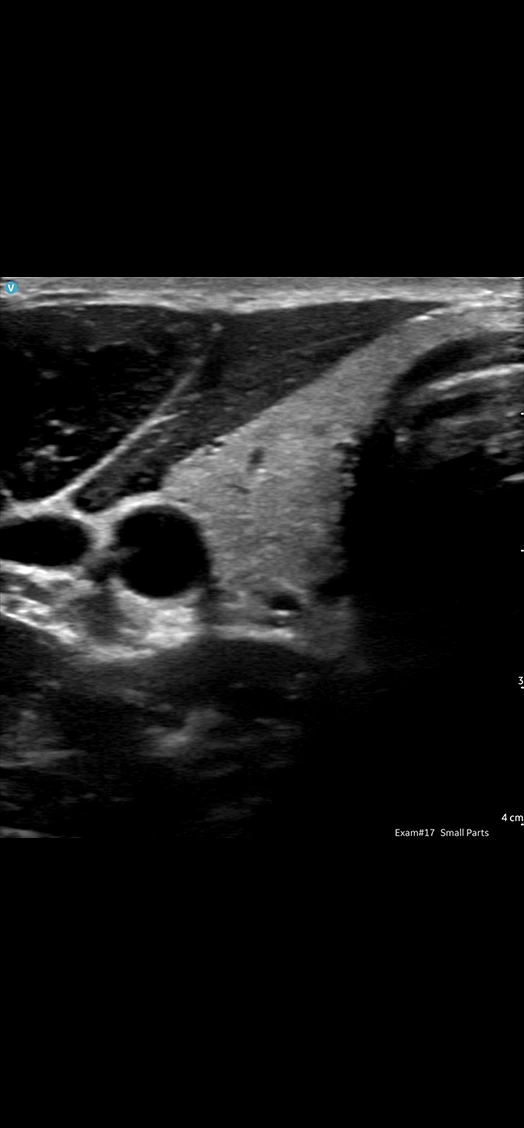
Thyroid
Thyroid nodules, cysts, mass, diffuse enlargement
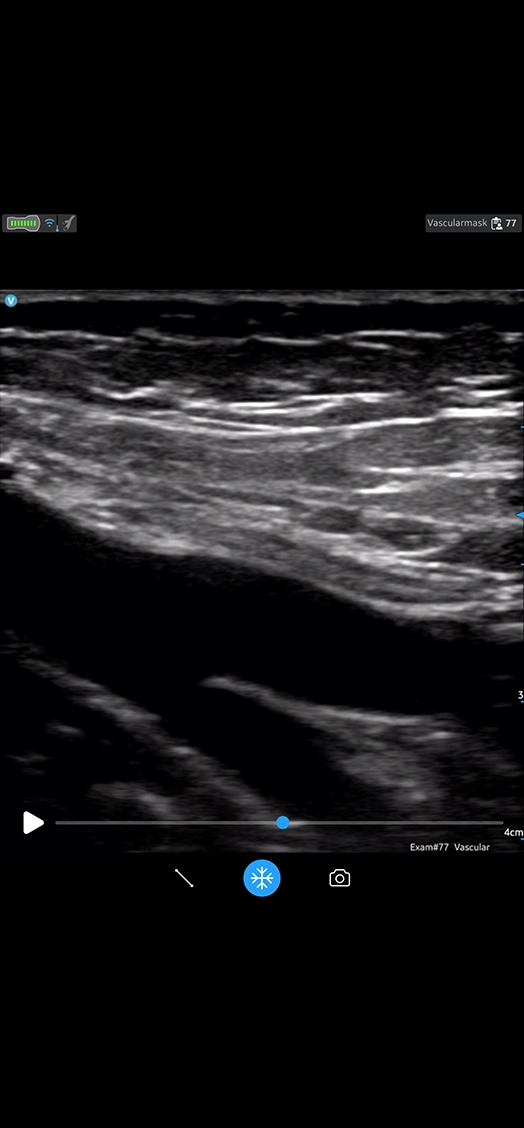
Peripheral vascular
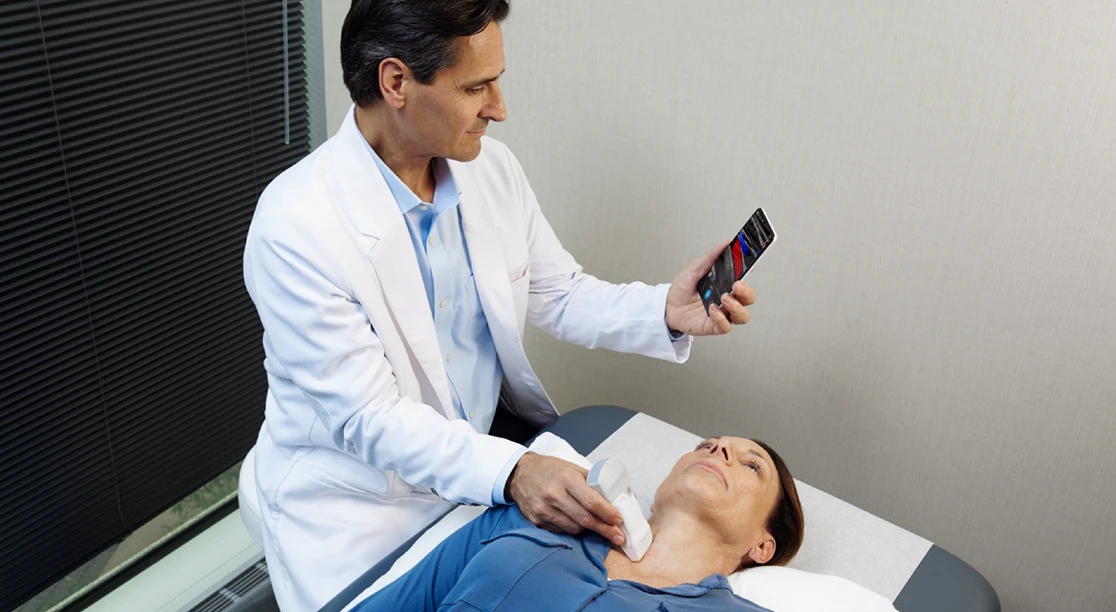
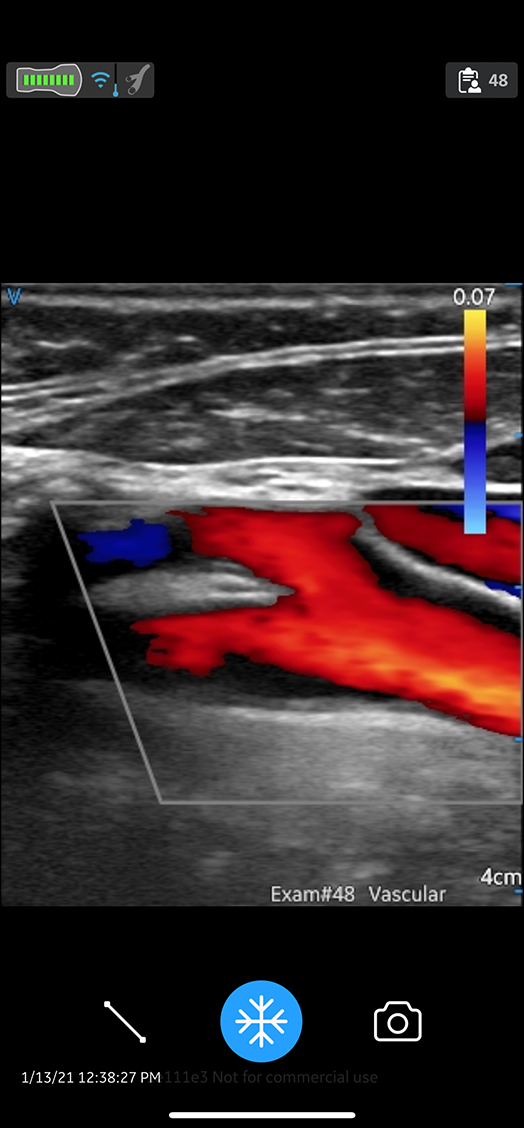
Deep Vein Thrombosis, atherosclerosis-intima media thickness, plaques, vessel occlusion/stenosis
Various exams crop

Accelerate clinical decisions and perform simple procedures in various primary care settings

Handheld ultrasound is becoming a key ally of primary care physicians: Vscan Air provides critical visual information at your fingertips with remarkable image quality. The wireless device may help you quickly decide on next steps, saving your patients’ time with more accurate referrals.1
Vscan Air primary care features

What makes Vscan Air the ideal solution for primary care

Specialty features/take it anywhere

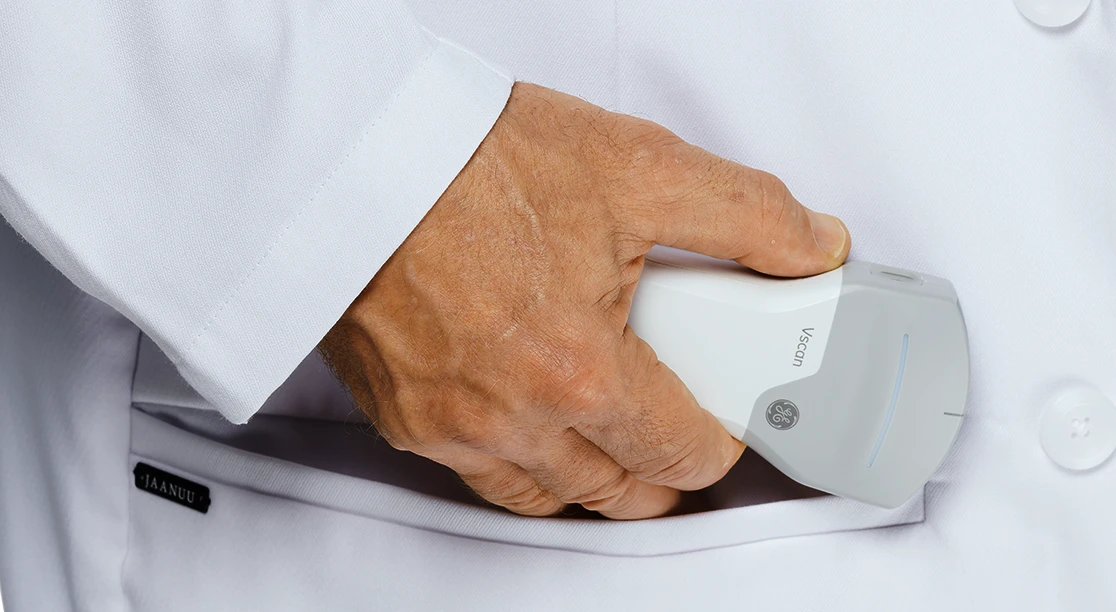
Take it anywhere with wireless freedom and maximum portability.3

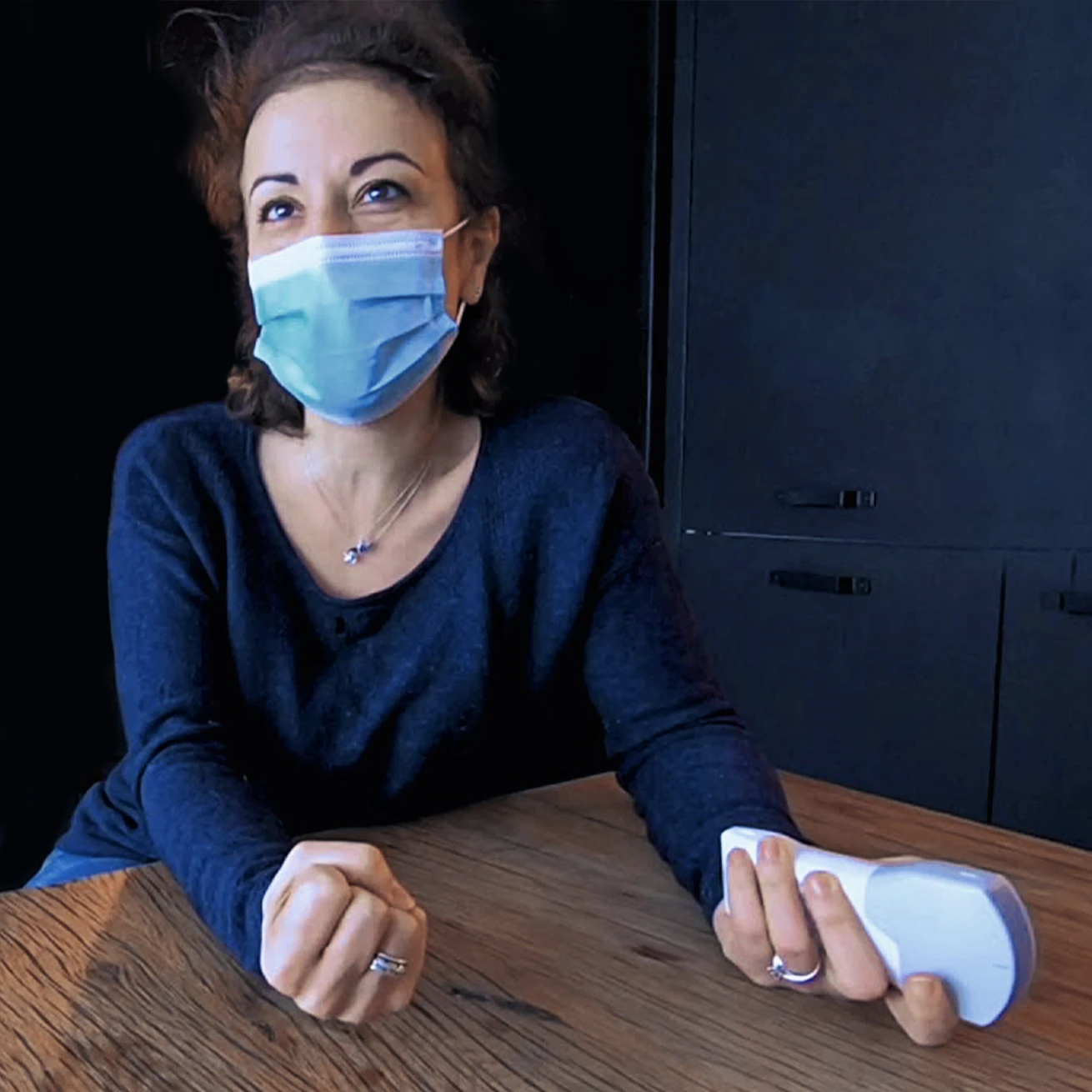
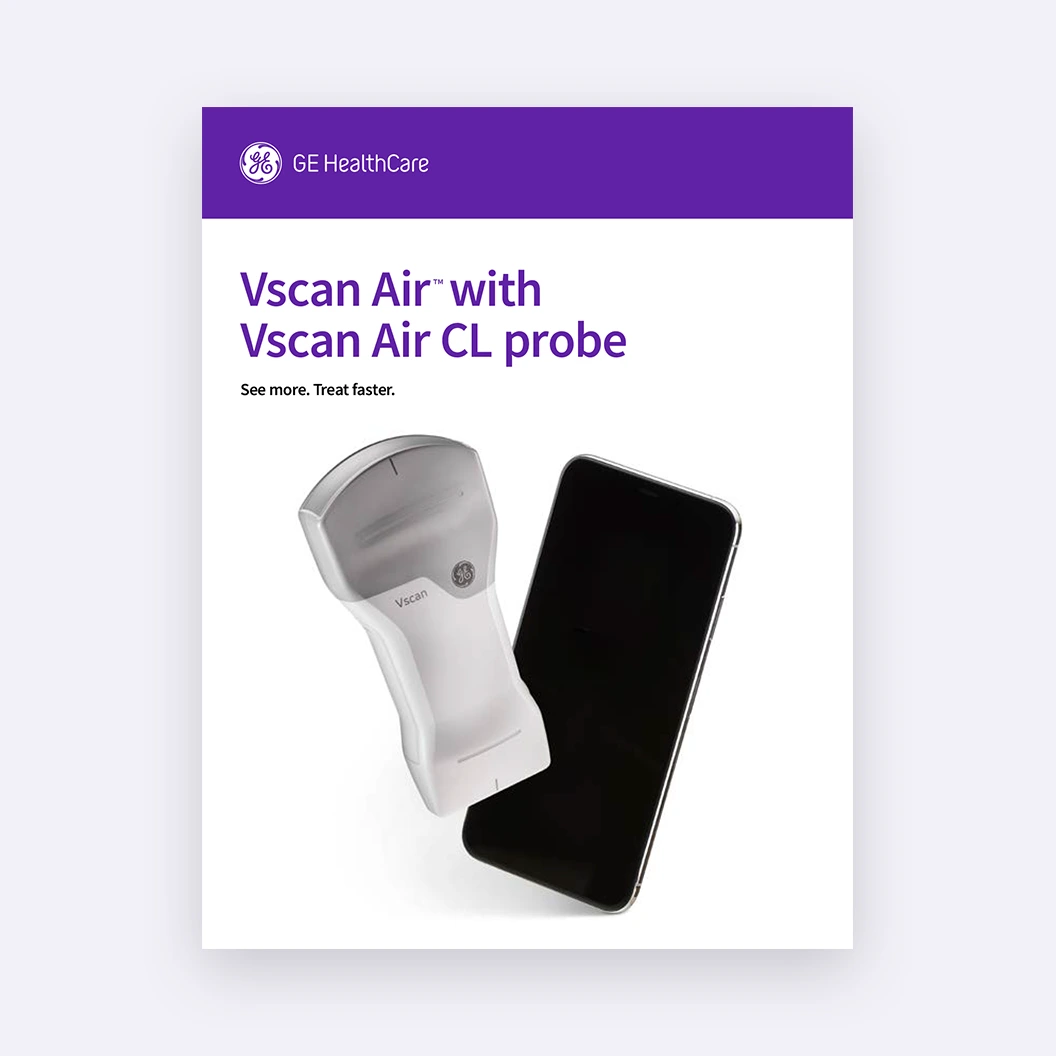
Small, lightweight and wireless, Vscan Air is a convenient, durable and flexible handheld ultrasound solution. Start scanning any time with Vscan Air’s easy-to-navigate app optimized to work with your own mobile device.
Specialty features/patient experience

Help improve patient experience.

Enhance patient engagement and follow-through when combining physical exams with handheld ultrasound. By showing images in real-time, you can help your patients understand their diagnosis which may improve patient satisfaction.
Specialty features/complete both scans

Complete both shallow and deep scans without switching probes or compromising on image quality.

Dual probe (2-in-1) technology enables effortless scanning without switching probes between, or during, exams. Scan more efficiently with one device to help you detect and assess both adult and pediatric patients’ most common conditions.
Specialty features/store share collaborate

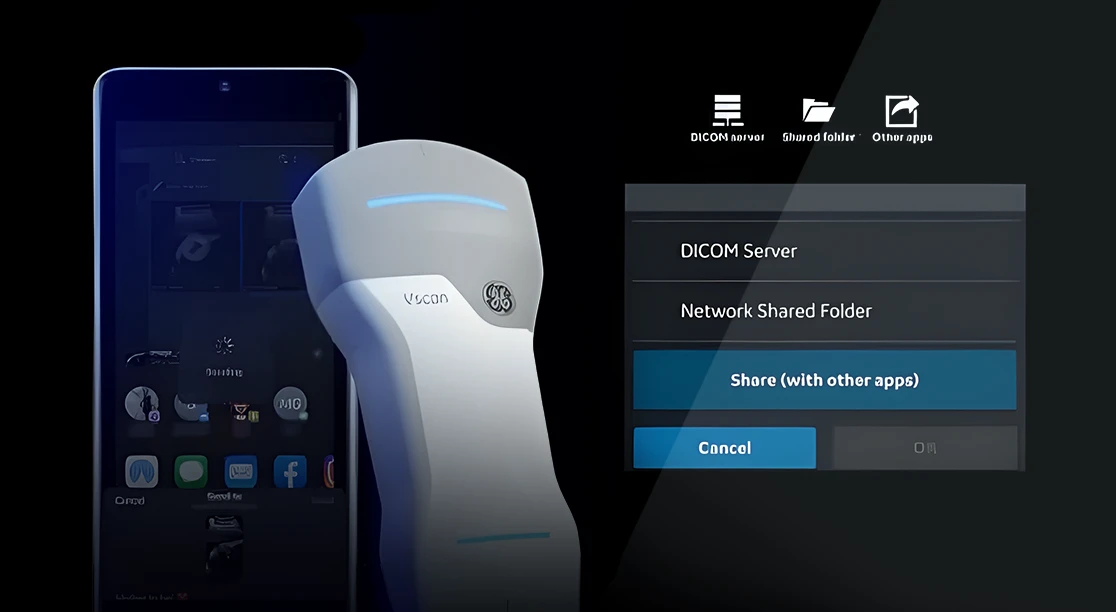
Securely store, share, and collaborate seamlessly.

Flexible wireless dataflow and security, connectivity to image storing and sharing with other applications on your mobile device enables collaboration with other care providers for a team-based approach.
Products and solutions

Powerful imaging. Powerful connections. It’s in your hands.

Are you ready to
explore Vscan Air?

Experience wireless handheld ultrasound without compromising on portability or image quality.
Learn more
Clinical resources for primary care

Peer-reviewed articles

Explore publications for primary care physicians on various topics related to handheld ultrasound.
FAQs

Vscan Air in general practice and primary care

What clinical questions can a general practitioner clarify independently in practice with Vscan Air?

With Vscan Air, general practitioners can independently clarify numerous questions in the practice: pleural effusions, free abdominal fluid, bladder volume and residual urine, gallbladder, aorta as well as orienting heart and lung findings. The wireless two-probe device provides clear images directly on the patient and supports quick decisions without the need for a stationary ultrasound system.

Which ultrasound applications are most common in general practice?

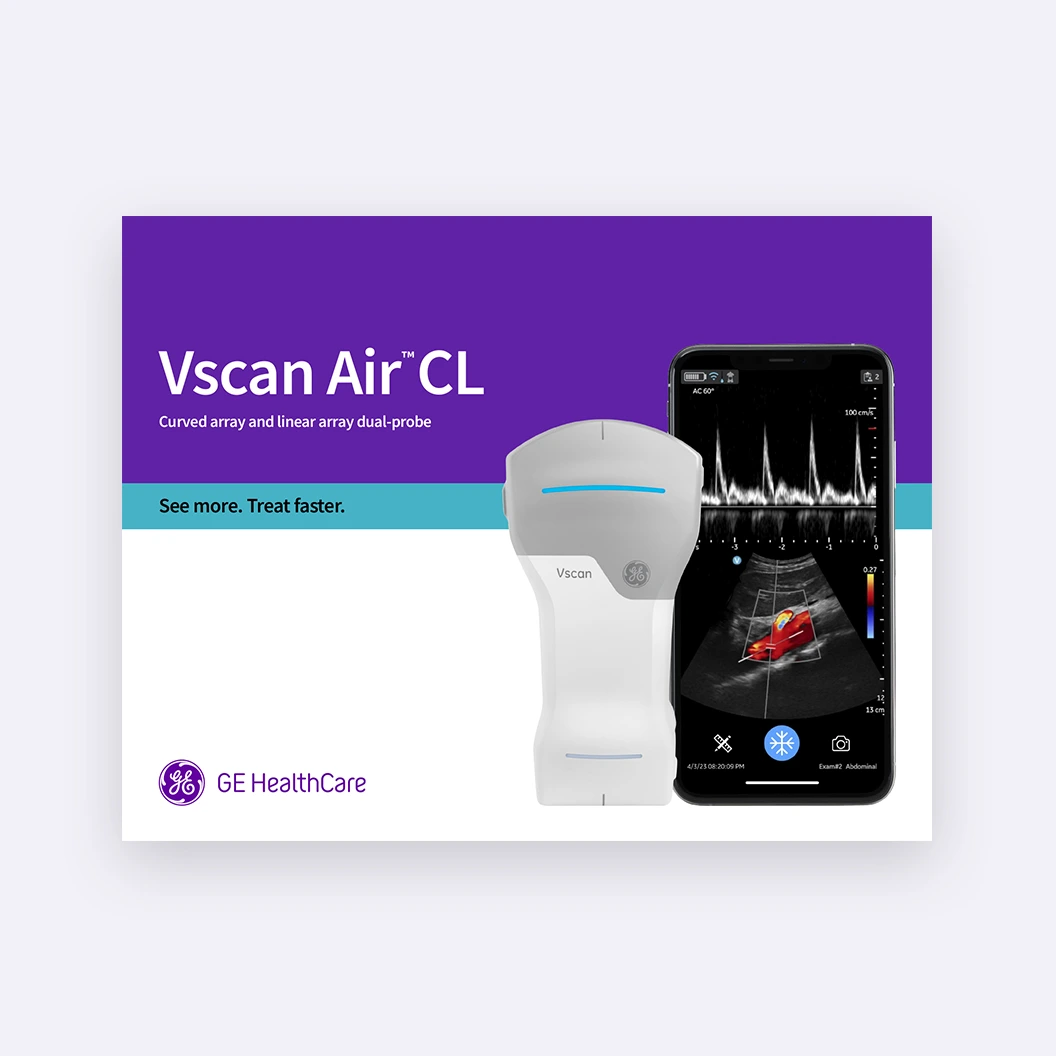
In general medicine, lung ultrasound, abdominal sonography, bladder and residual urine measurement, vascular imaging and orienting heart assessment are among the most common POCUS applications. Vscan Air covers these with its dual-probe design: the curved array probe takes on deep abdominal scans, while the linear probe handles near-surface structures, vessels and lungs – all with a single wireless device.

What diagnoses can a family doctor make himself with a mobile ultrasound device?

A family doctor can use a mobile ultrasound device such as Vscan Air to make orienting diagnoses: pleural effusion, ascites, urinary retention, increased bladder volume, gallstones, abdominal aortic aneurysm and impaired heart function. POCUS complements the clinical examination on the patient and accelerates decisions. Depending on the findings, final diagnoses require further imaging or specialist clarification.

What are the benefits of Vscan Air specifically for home visits?

When it comes to home visits, Vscan Air scores with its complete wireless freedom and pocket-sized size: The device, which weighs around 205 grams and has two integrated probes, connects to your own smartphone or tablet and immediately delivers clear images. It's military-grade drop-tested, IP67-waterproof, and sanitizable, making it ideal for on-the-go diagnostics at the patient's home.

Which model is suitable for GP practice – Vscan Air CL or SL?

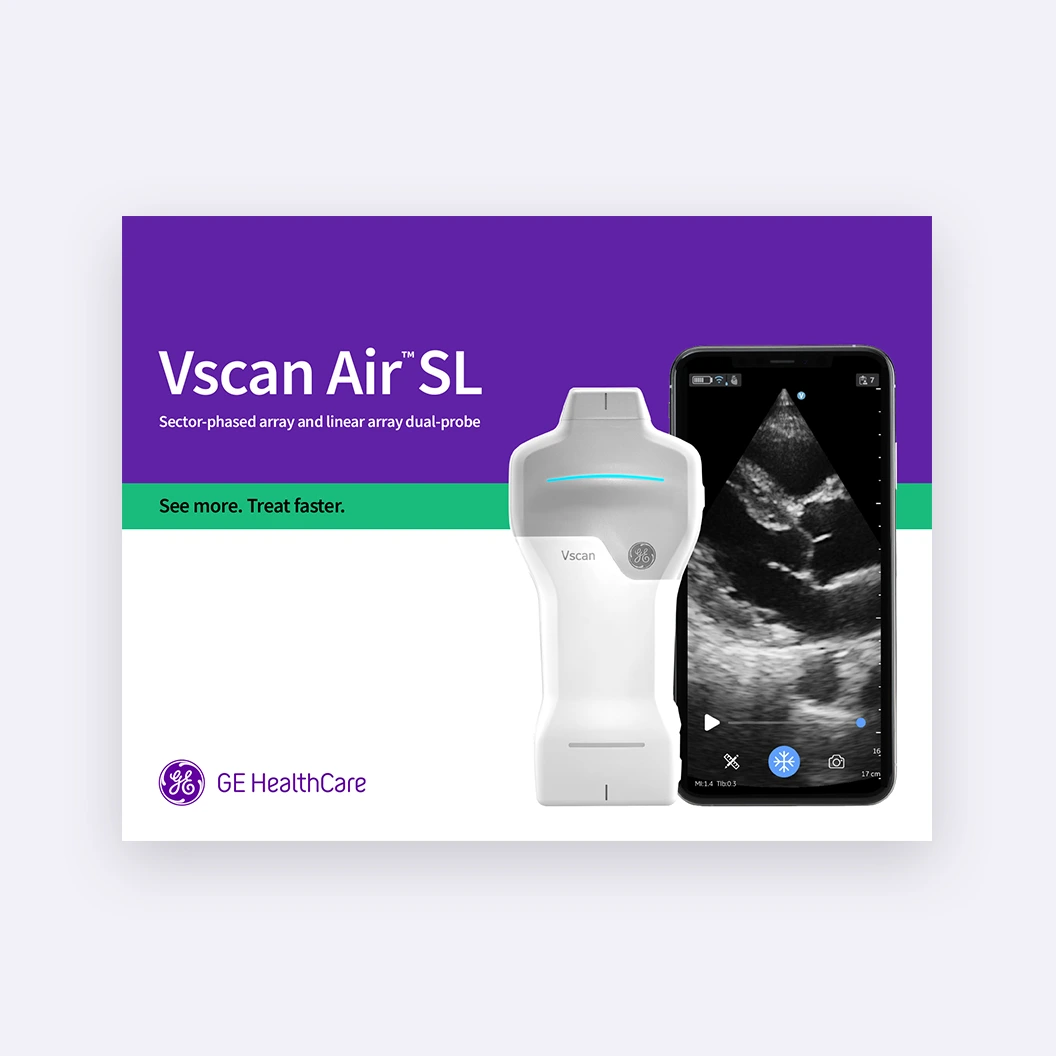
The Vscan Air CL is usually suitable for family practice, as its curved and linear probe covers the abdomen, lungs, bladder, vessels and MSK – the typical range of general medicine. The Vscan Air SL is designed for cardiology and vascular. Those who work predominantly in cardiology benefit from SL; otherwise the CL is more versatile.

How does Vscan Air integrate with existing practice software and HIS systems?

Vscan Air transmits images via the app via DICOM to PACS systems, including querying the modality worklist and storage commitment. In addition, a JPG/MPG export to network folders is possible, which supports import into practice and EMR systems. This allows investigations to be documented and integrated into existing workflows without the need for a cloud.

Have a question?
We would love to hear from you.

Contact us
1 Andersen & Dalen, Levanger Hospital, Nord-Trøndelag Health Trust, Levanger, Norway; Feasibility and Reliability of Point-of-Care Pocket-Sized Echocardiography; European Journal of Echocardiography, 2011. PubMed ID (PMID) 21810825
3 The device has been verified for limited use outside of professional healthcare facilities. Use is restricted to environmental properties described in the user manual.